You do not need to memorize every custom before visiting Japan. Most situations become simple when you follow posted guidance, observe the people around you and avoid inconveniencing others. These twelve habits cover the moments travelers encounter most often.
Queue in the marked order
Train platforms, shops and attractions often show where to wait. Join the end of the line, let passengers exit before you board and avoid holding a place for a large group when space is limited.
Keep trains and buses quiet
Keep conversations moderate, set your phone to silent and avoid calls inside train cars. Use headphones without letting sound leak into the space around you.
Keep doors, paths and escalators clear
Move away from ticket gates and train doors before checking your phone or map. Do not stop suddenly with luggage in a narrow passage. Current official guidance encourages standing still on escalators rather than walking past others.
Offer priority space to people who need it
Priority seating and accessible areas are intended for older people, pregnant passengers, travelers with disabilities and adults with small children. Keep these areas available and follow staff instructions when trains are busy.
Remove shoes when the space requires it
Homes, some restaurants, ryokan, temples and fitting rooms may have a raised entrance or a clear no-shoes sign. Put shoes where indicated and keep socks on unless the facility tells you otherwise. Toilet slippers stay in the toilet area.
Respect photography restrictions
Check for no-photo signs at temples, shrines, museums, shops and performances. Ask before photographing people at close range, do not enter private property for a better angle and never block a path while composing a shot.
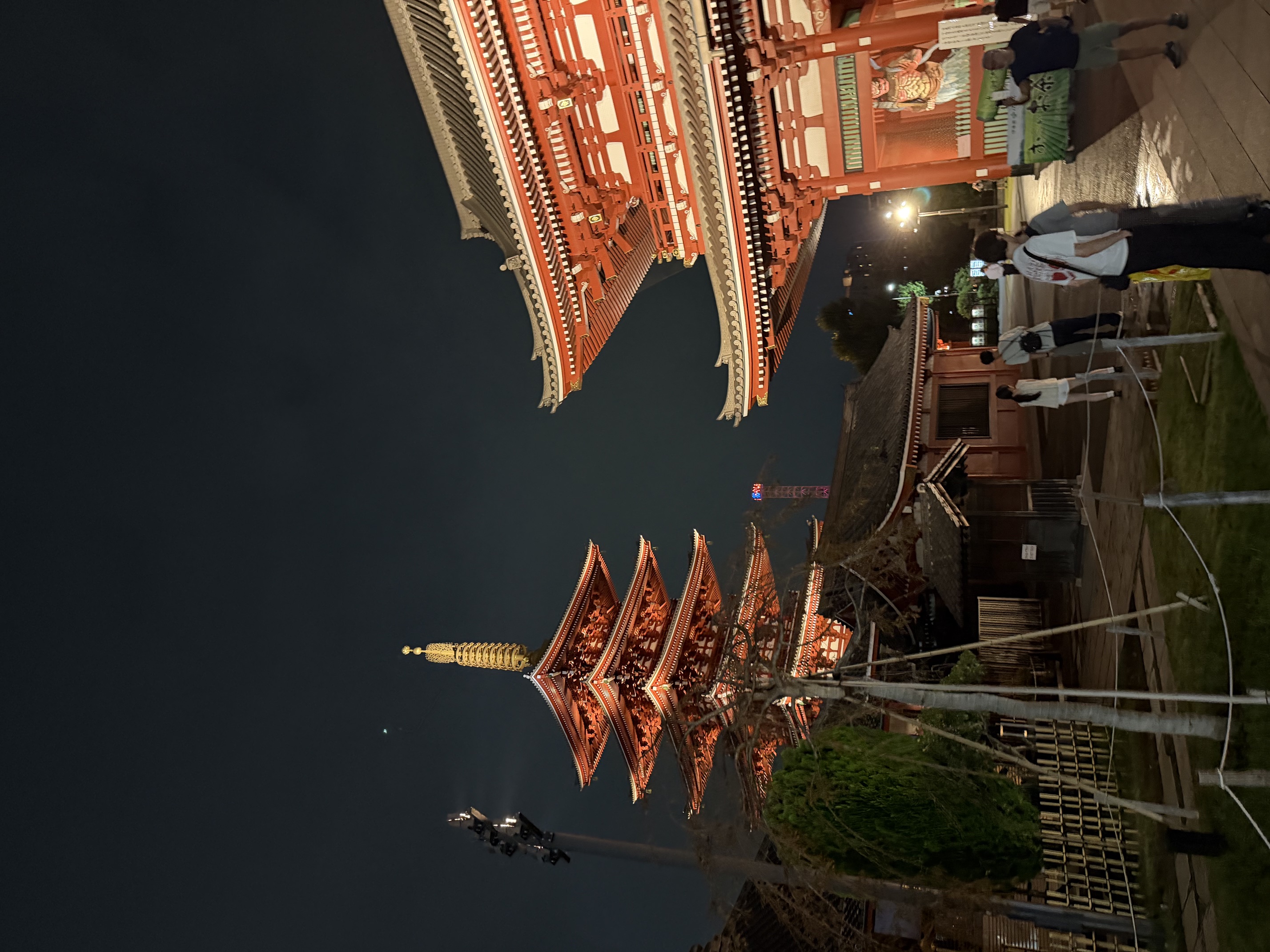
Treat temples and shrines as active sacred places
Keep your voice low, follow the site’s signs and leave worshippers room. Buddhist temples and Shinto shrines have different customs; you do not need to imitate every ritual. A quiet, respectful visit is better than performing a sequence you do not understand.
Follow the restaurant’s system
Wait to be seated when indicated, arrive on time for reservations and cancel as early as possible if plans change. Some restaurants use ticket machines, counter ordering or a table charge. Ask politely when the process is unclear.
Use chopsticks without turning them into props
Do not stick chopsticks upright in rice, pass food directly from one pair of chopsticks to another or point with them. Rest them on the holder or across their wrapper when you pause. A fork or spoon may be available if you ask.
Carry your rubbish until you find the right bin
Public bins can be limited. Keep a small bag for wrappers and dispose of them at your accommodation or a suitable bin. Follow local instructions for bottles, cans and other separated waste.
Carry some cash and use the payment tray
Some businesses and rural services remain cash-only. When a tray is provided at the register, place cash or a card on it instead of reaching across the counter. Check accepted payment methods before ordering when cash is limited.
Skip the tip and offer a clear thank-you
Tipping is generally not customary and can cause confusion. Pay the stated amount, return borrowed items as directed and thank the staff. “Arigato gozaimasu” and considerate behavior communicate appreciation well.
The quick version
10 things not to do in Japan
Do not cut into a queue or board before passengers leave.
Do not make phone calls or play audio aloud on public transport.
Do not block gates, paths or train doors while checking your phone.
Do not enter private property or restricted areas for a photograph.
Do not photograph people, worship or interiors when permission is unclear.
Do not wear outdoor shoes where signs or a raised entrance require removal.
Do not stick chopsticks upright in rice or pass food between chopsticks.
Do not leave rubbish beside a full bin or abandon it in public.
Do not miss a restaurant reservation without contacting the business.
Do not assume tipping is expected; pay the stated amount unless told otherwise.
Read the room
What matters most in each setting
| Setting | Best default | Watch for |
|---|---|---|
| Train or bus | Queue, let riders exit, keep sound low | Priority space, luggage position and local boarding rules |
| Restaurant | Follow the seating and ordering system | Ticket machines, table charges, shared dishes and reservation time |
| Temple or shrine | Keep voices low and leave worshippers room | Photo restrictions, closed areas and site-specific rituals |
| Ryokan or home | Remove shoes where indicated | Slippers, meal times, bathing rules and curfew |
| Street or neighborhood | Keep paths clear and respect residents | Private property, waste, eating zones and crowded photo spots |
If you make a mistake
Pause, correct the action and offer a simple sumimasen (“excuse me” or “sorry”). Most visitors are not expected to know every local custom. A calm apology and willingness to follow a sign or staff instruction matters more than trying to defend the mistake.
Official etiquette guidance
Guidance reviewed September 23, 2026. Local signs and staff instructions take priority.
Opening hours, prices, reservation rules and transport details can change. Confirm important details with the official operator before your visit.