
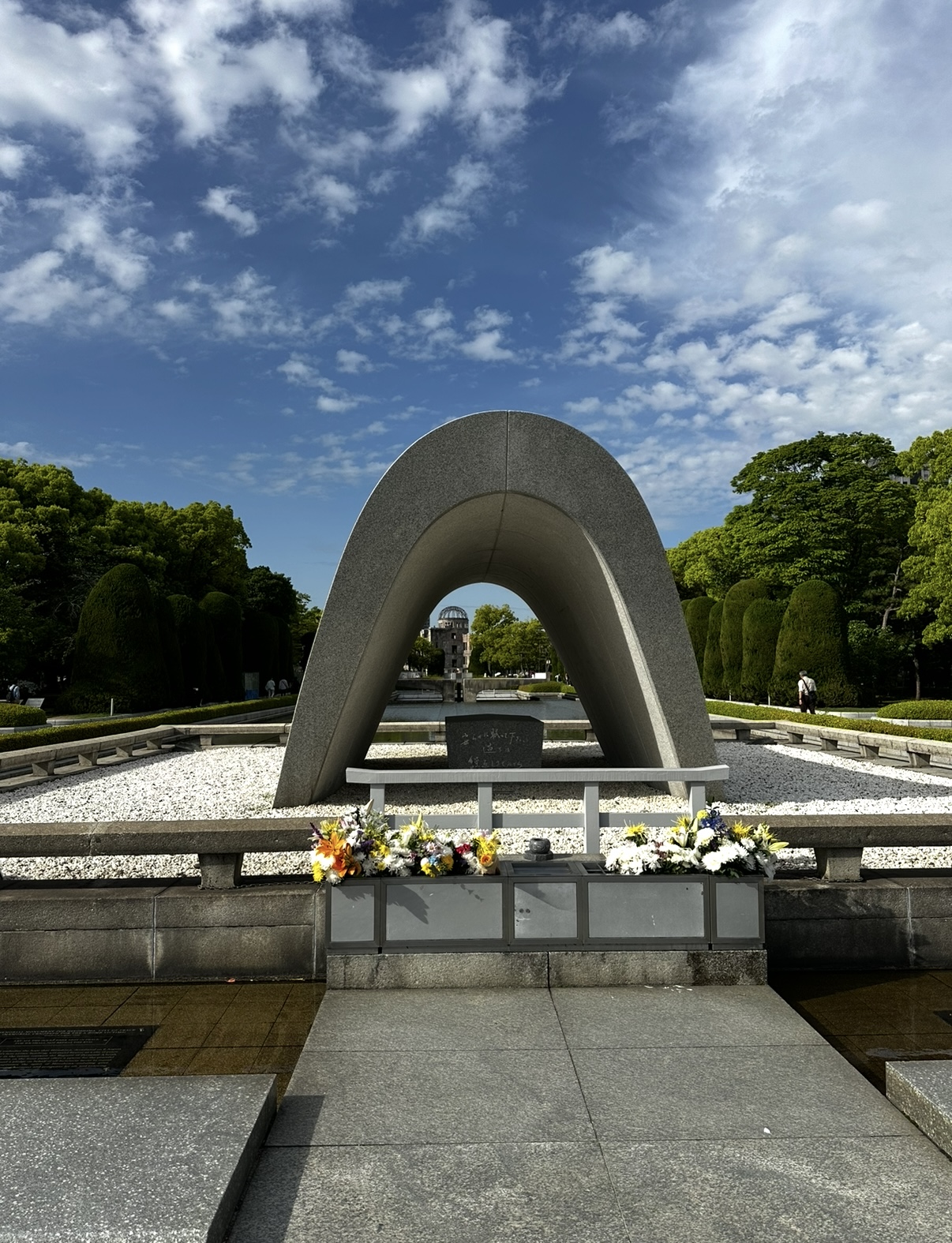
Hiroshima deserves more than a rushed checklist. The city center asks for time and reflection at the Peace Memorial Museum, park and Atomic Bomb Dome, while nearby Miyajima adds a very different day of shrine architecture, mountain scenery and local food. Two days is the best first-trip plan: use one for central Hiroshima and one for Miyajima. If you have only one day, stay in the city rather than compressing both places into a few hurried hours. The photographs in this guide were taken by Japan Finds.
Begin at the Hiroshima Peace Memorial Museum
Start early and allow at least 90 minutes, with extra time if you prefer to read the exhibits slowly. The museum documents the atomic bombing through objects, testimony and historical context. It can be emotionally demanding, so do not place it between tightly timed reservations. Check the official website for current opening hours, admission and possible entry procedures before visiting.
Walk through Peace Memorial Park with time to pause
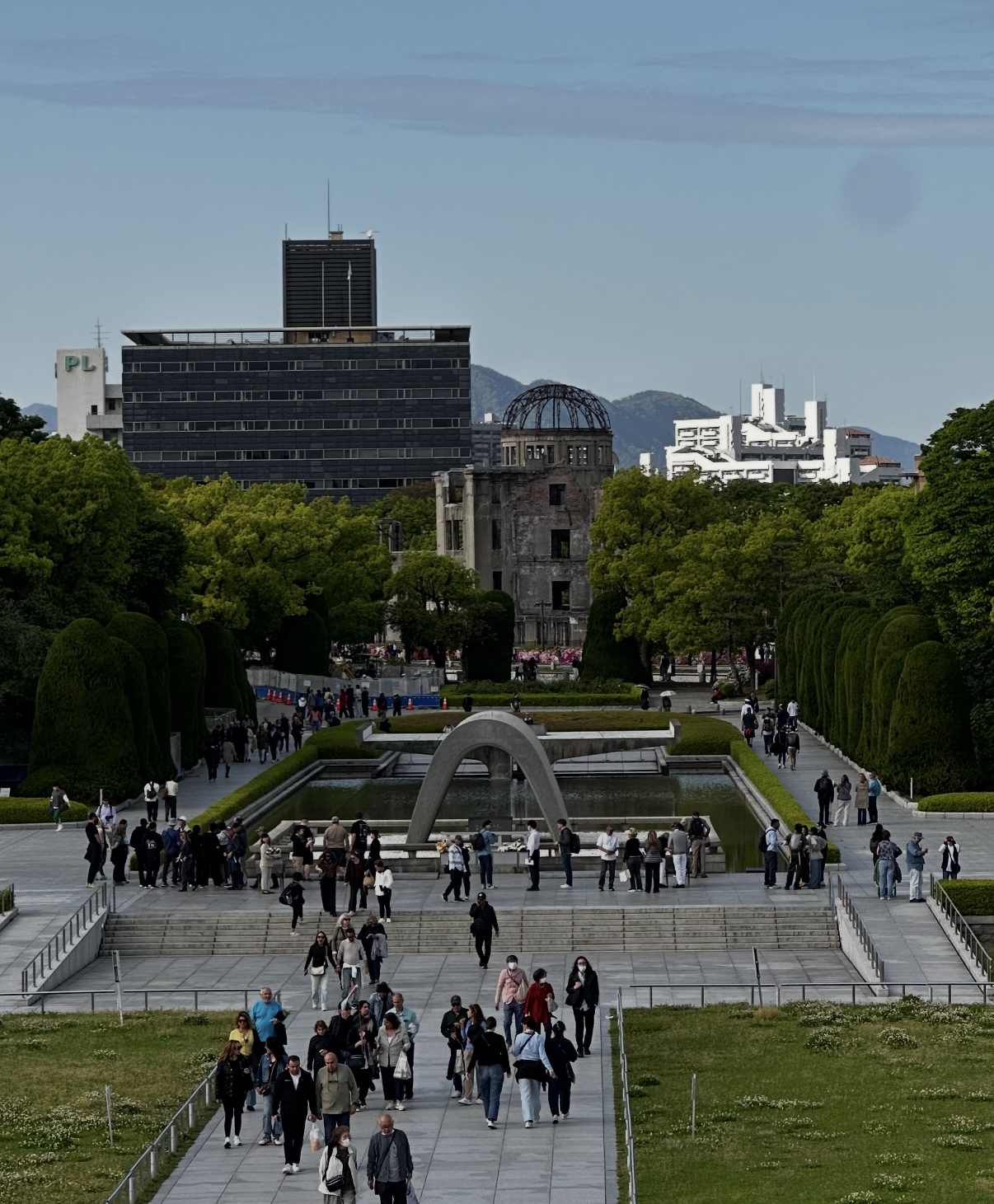
The park connects the museum with the Cenotaph for the A-bomb Victims, Peace Flame, Children’s Peace Monument and other memorials. Follow the quiet atmosphere, keep voices low and avoid treating memorial spaces as photo props. A slow walk helps explain how the city remembers the victims and works toward peace.
See the Atomic Bomb Dome from both sides of the river
The preserved ruin is one of Hiroshima’s defining landmarks and part of the UNESCO World Heritage site. The riverside path gives clear views while keeping visitors outside the protected structure. Read the interpretation nearby, then cross the river for another perspective instead of stopping only for a quick photograph.
Explore Hiroshima Castle grounds and Ninomaru
Hiroshima Castle’s main keep closed in March 2026 because of aging, so plan around the grounds, moat, reconstructed Ninomaru area and exterior views rather than an interior visit to the keep. The site still adds important context about Hiroshima before 1945. Confirm current access and any reconstruction work before going.
Slow down in Shukkeien Garden
This compact landscape garden is a useful change of pace after the memorial district. Bridges, ponds, miniature scenery and seasonal plants reward an unhurried circuit. Pair it with Hiroshima Station or the castle area, and check the official garden notice for hours or temporary closures.
Eat Hiroshima-style okonomiyaki
Hiroshima’s layered okonomiyaki usually combines batter, cabbage, pork, noodles, egg and sauce on a griddle. Sit at the counter when possible and watch the cooking process. Okonomi-mura offers many shops in one building, while individual neighborhood restaurants provide a quieter alternative. Each restaurant has its own method and menu, so follow staff instructions.
Take a full day for Itsukushima Shrine and the great torii
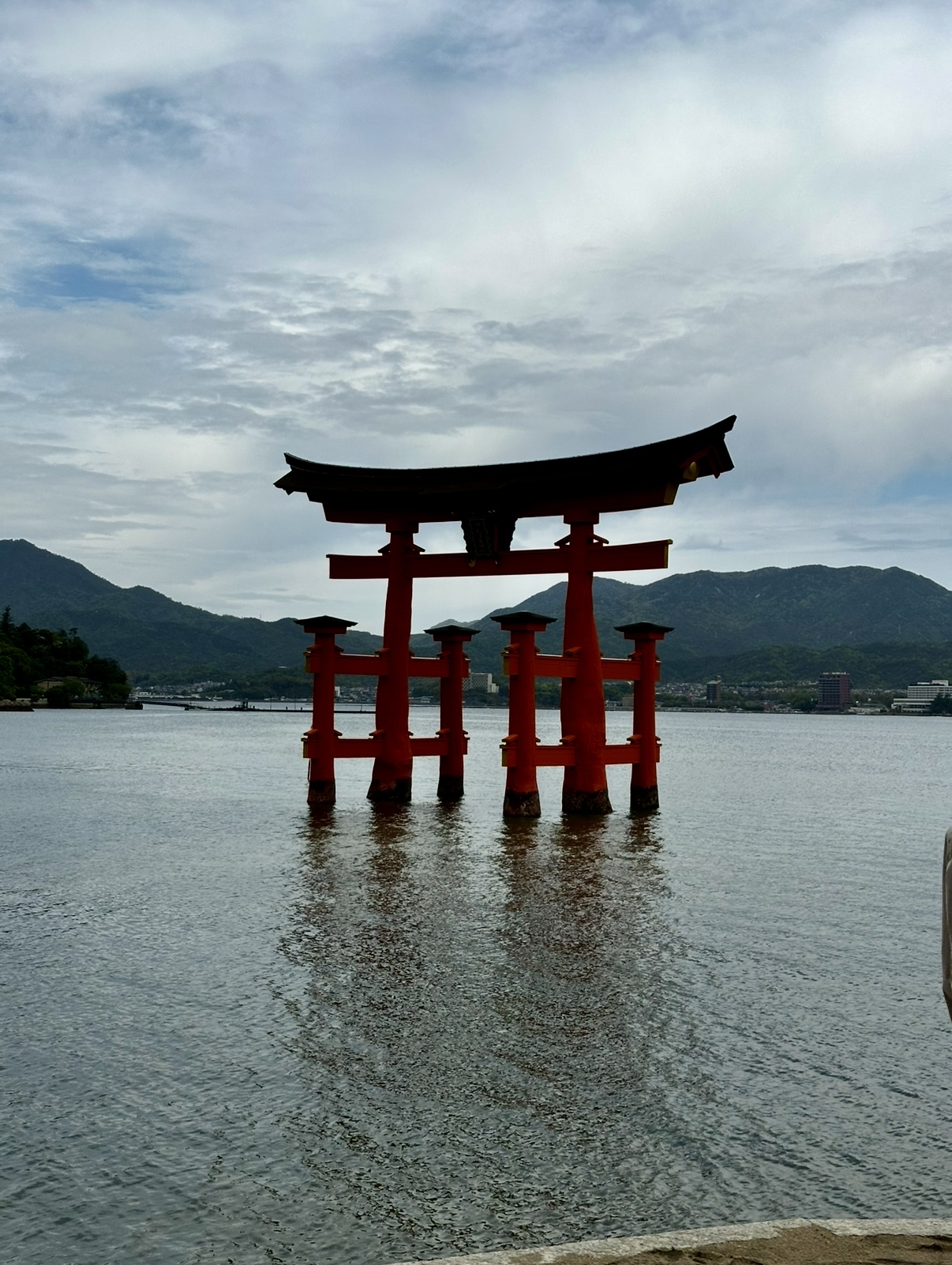
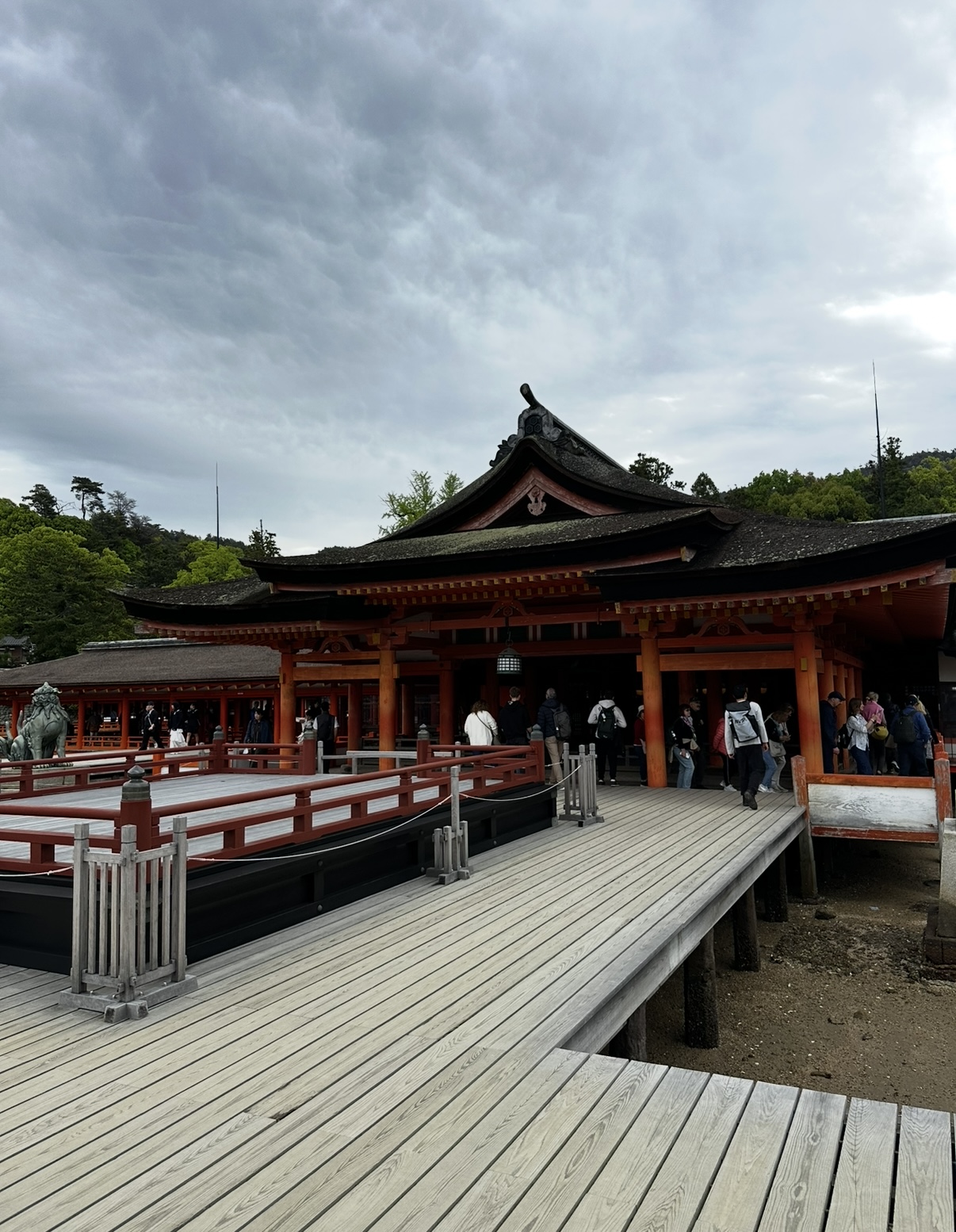
On Miyajima, begin with the waterfront approach to Itsukushima Shrine and its famous offshore torii. The scene changes with the tide: high tide creates a floating impression, while low tide reveals more of the shore. Check tide information and the shrine’s current hours, but do not let tide timing make the whole day stressful.
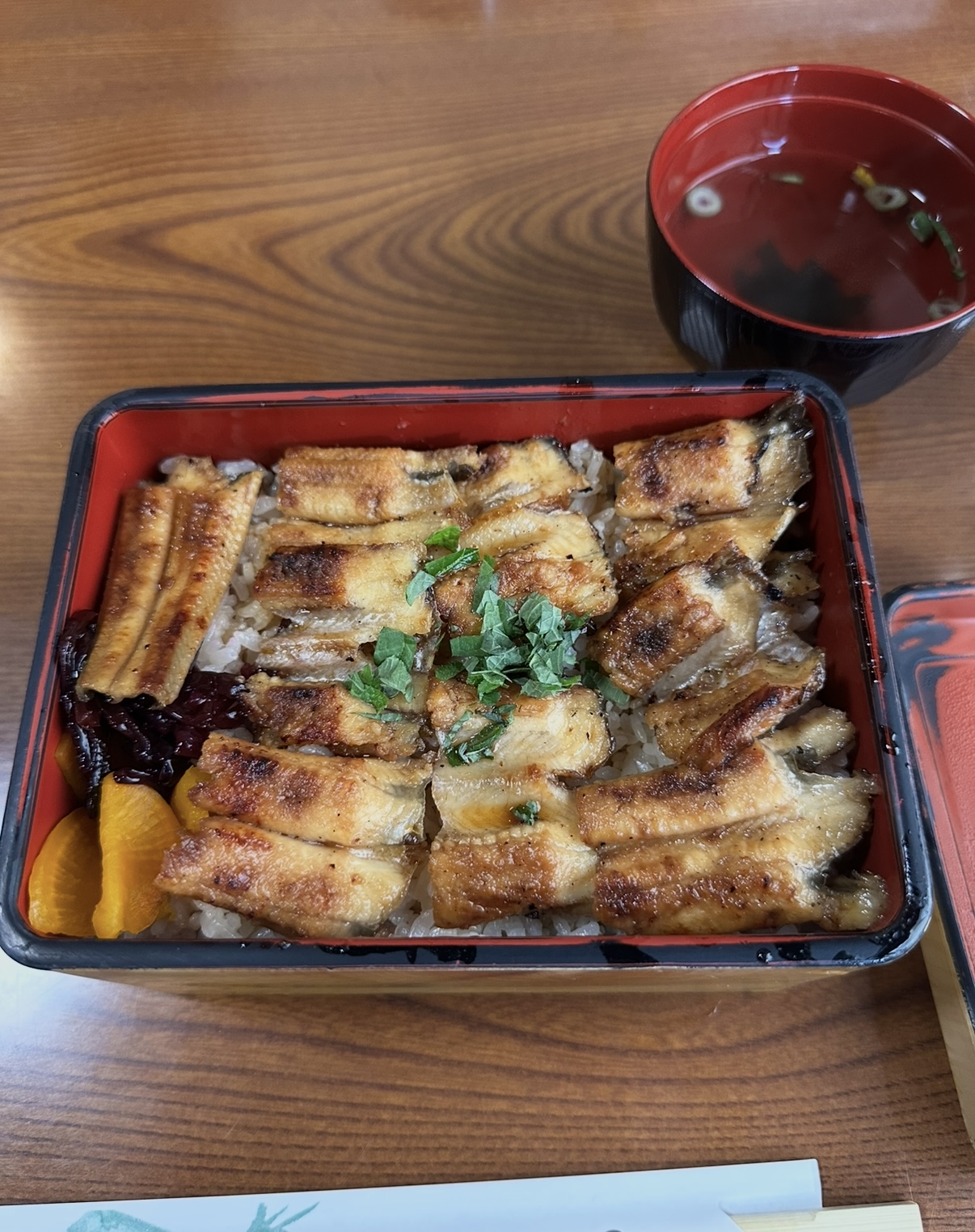
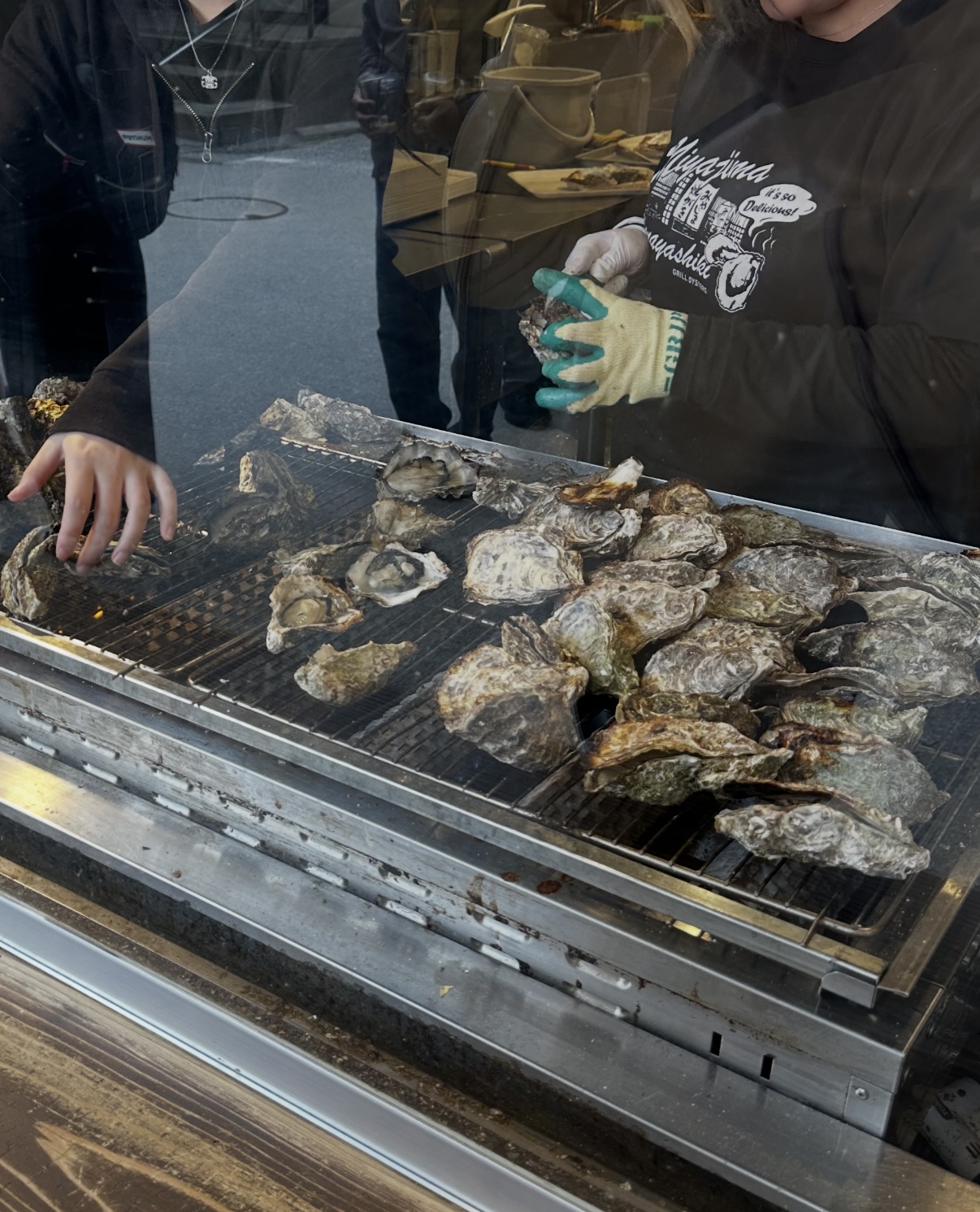
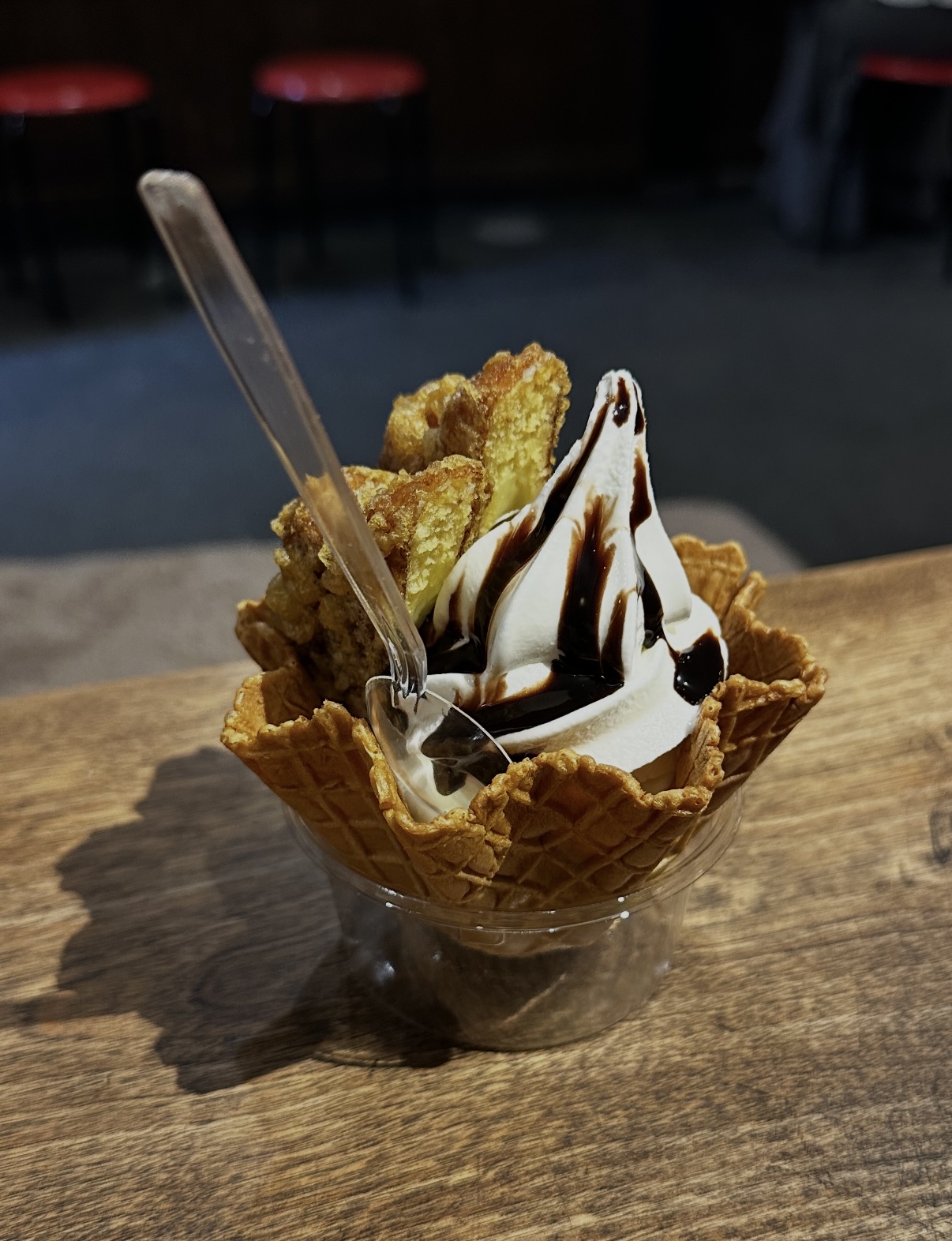
Taste Miyajima’s oysters, anago-meshi and momiji manju
Miyajima is an easy place to build lunch and snacks into the route. Grilled oysters are a local specialty, anago-meshi pairs grilled conger eel with rice, and momiji manju is a maple-leaf-shaped cake sold with several fillings. Fried momiji manju is best eaten warm. Check ingredients carefully if you have allergies or dietary restrictions.
Visit Daisho-in below Mount Misen
Daisho-in is a major Buddhist temple on Miyajima and a calmer counterpoint to the busy waterfront. Allow time for the hillside paths, halls and small religious details, and follow all photography and worship signs. The temple also fits naturally before or after a Mount Misen trip.
Finish with Mount Misen only when time and weather allow
Mount Misen offers forest paths and broad Seto Inland Sea views. The ropeway reduces the climb but does not remove all walking, and service can stop because of maintenance or weather. Wear suitable shoes, confirm the last return time and start down early. Skip the summit when conditions or your schedule would turn it into a race.
The first decision
Give Hiroshima two days when you can
Stay in central Hiroshima: museum, park, Atomic Bomb Dome, one nearby garden or castle stop, then okonomiyaki.
Use Day 1 for the city and Day 2 for Miyajima, Itsukushima Shrine, Daisho-in and either Mount Misen or a relaxed food walk.
Avoid the rushed version: Peace Memorial Museum and Miyajima can technically fit into one long day, but the result leaves little room for reflection, transport delays, tides or the mountain.
At-a-glance planner
Match each stop to the right part of the trip
| Place | Area | Time to allow | Best fit |
|---|---|---|---|
| Peace Memorial Museum | Peace Park | 90–150 min | Essential city day |
| Peace Memorial Park | Peace Park | 45–75 min | Pair with museum |
| Atomic Bomb Dome | Motomachi | 20–40 min | Walk from the park |
| Castle grounds | Motomachi | 45–60 min | History extension |
| Shukkeien | Near Hiroshima Station | 45–75 min | Quiet city break |
| Okonomiyaki | Central Hiroshima | 60–90 min | Lunch or dinner |
| Itsukushima Shrine | Miyajima | 60–90 min | Essential island day |
| Omotesando food walk | Miyajima | 60–90 min | Lunch and snacks |
| Daisho-in | Miyajima | 60–90 min | Culture and quiet |
| Mount Misen | Miyajima | 3–5 hr | Good weather and early start |
Japan Finds original photography
What the two-day trip looks like
If you have one full day
A realistic central-Hiroshima route
- MorningPeace Memorial Museum
Arrive near opening time, then continue through the memorials in the park.
- Late morningPeace Memorial Park and Atomic Bomb Dome
Walk north through the park and cross the river after seeing the Dome.
- LunchHiroshima-style okonomiyaki
Choose a central restaurant and leave enough time for cooking and a possible wait.
- AfternoonChoose one: Shukkeien or castle grounds
Use Shukkeien for a quieter finish or the castle area for more city history.
- EveningHondori and dinner
Keep the evening flexible rather than adding a late dash to Miyajima.
The better first-trip plan
Two days: city first, Miyajima second
Central Hiroshima
Peace Memorial Museum → Peace Memorial Park → Atomic Bomb Dome → lunch → Shukkeien or castle grounds → okonomiyaki dinner.
Miyajima
Early ferry → Itsukushima Shrine and torii → Daisho-in → lunch and local snacks → Mount Misen if weather, footwear and return time all work.
Getting around
Use trams in the city and choose your ferry deliberately
Hiroden streetcars connect Hiroshima Station, the Peace Park area and other central stops. An accepted IC card can simplify ordinary rides, but check current payment instructions.
Take the JR line from Hiroshima Station, then transfer to a ferry. This is often the clearest route for travelers based near the station.
The World Heritage Sea Route links the Peace Park area and Miyajima. It can save a land transfer, but schedules, capacity and service conditions require advance checking.
What to eat
Build four regional foods into the route
Layered cabbage, noodles, egg and sauce cooked on a griddle.
Grilled conger eel over rice, especially associated with Miyajima.
Try them grilled, fried or in another preparation from a reputable shop.
A maple-leaf-shaped cake; fried versions are a warm street snack.
Visit the memorial district with care
- Keep conversations and phone audio quiet around memorials and the museum.
- Follow all photography restrictions inside the museum and at ceremonies.
- Do not pose playfully on monuments, barriers or protected remains.
- Allow other visitors private space to read, reflect or leave flowers.
- Balance the visit with time elsewhere in the living city, without treating the memorial as a quick photo stop.
Official sources
Information reviewed October 6, 2026. Opening hours, admission, construction, ferry and ropeway services, tide conditions and weather can change. Check official notices shortly before visiting.
Opening hours, prices, reservation rules and transport details can change. Confirm important details with the official operator before your visit.