
Kamakura combines samurai history, Zen temples, a busy old-town center and the Shonan coast within easy reach of Tokyo. That variety is also the main planning trap: Hokokuji lies east of the station, Zeniarai Benten sits to the west, Hase has two major temples and Enoshima needs its own time block. This guide turns the seven places in our original Kamakura Pin into three realistic routes instead of an exhausting checklist. The bamboo garden, Komachi Street, Zeniarai Benten, Enoshima and food photographs were taken by Japan Finds.
Tsurugaoka Hachimangu: start with Kamakura’s samurai center
The city developed around Tsurugaoka Hachimangu, whose present location is tied to Minamoto no Yoritomo and the Kamakura shogunate. It is about a ten-minute walk from Kamakura Station’s east exit. Approach along Wakamiya Oji, give worshippers space and check the current museum and treasure-hall schedules separately from the shrine grounds.
Komachi Street: plan one food or shopping stop
Komachi Street runs between the station area and the shrine district and is lined with cafés, restaurants, sweets and souvenir shops. It is useful for lunch but can become the slowest part of the route when every storefront becomes an unplanned stop. Keep to one side, avoid eating while blocking the flow and use Wakamiya Oji for one direction to reduce repetition.
Hokokuji: make the bamboo garden a deliberate eastern stop
Hokokuji is known as the Bamboo Temple for the Moso bamboo garden behind its main precinct. The official tourism guide lists access by bus from Kamakura Station to Jomyoji plus a short walk, or roughly 35 minutes on foot. Arrive near opening when possible, follow the ban on tripods, monopods and selfie sticks, and check whether the matcha service is operating before relying on it.
Zeniarai Benten: budget for the hilly approach
Zeniarai Benten Ugafuku Shrine is reached through a cave-like entrance in a wooded valley west of Kamakura Station. Visitors traditionally wash coins or notes in the spring water, but the site is also an active shrine. The uphill walk and distance from the main east-side sights make it a choice, not a free extra between Komachi and Hase.
Hasedera and Kotoku-in: pair the two Hase landmarks
Hasedera combines a Kannon hall, gardens, caves and elevated coastal views, while nearby Kotoku-in is home to the open-air Great Buddha of Kamakura. The temples are roughly five minutes apart according to Kotoku-in. Visit Hasedera first when garden time and views matter, then walk to the Great Buddha; confirm seasonal closing times and last entry before leaving central Kamakura.
Yuigahama and Enoshima: choose the size of your coastal finish
Yuigahama is the simpler end to a temple-focused day and can be reached without committing to a second sightseeing district. Enoshima is farther along the Enoden and adds an island walk, shrine approaches and viewpoints. Include it by skipping Hokokuji, Zeniarai Benten or part of central Kamakura rather than adding it after every major temple.
Use food as a rest block, not another checklist
Kamakura’s cafés, bakeries, traditional sweets and coastal restaurants are part of the day. Japan Finds stopped for sweet red-bean dishes in central Kamakura and visited a local bakery, both of which created a useful break between walking sections. Opening days, queues and stock change, so save a backup and avoid building the route around one unreserved meal.
Choose one route
Which Kamakura day fits your priorities?
Tsurugaoka Hachimangu, Komachi Street, Hasedera, the Great Buddha and an optional beach finish. This is the clearest first visit.
Hokokuji, Tsurugaoka Hachimangu, Komachi Street and either Zeniarai Benten or one Hase temple. Choose this for calmer scenery.
Hasedera, the Great Buddha and Enoshima or Shichirigahama. Skip eastern Kamakura so the coast has enough time.
Planning rule: No.118’s seven attractions are ideas, not a realistic single-day checklist. Pick one route and leave Enoshima for a second day when temples are your main reason for visiting.
Three realistic plans
Build the day without crossing Kamakura repeatedly
| Route | Morning | Afternoon | Finish |
|---|---|---|---|
| Classic first visit | Tsurugaoka Hachimangu and Komachi Street | Enoden to Hase; Hasedera and Kotoku-in | Yuigahama if daylight and weather allow |
| Quiet Zen day | Bus to Hokokuji near opening time | Hachimangu, Komachi lunch, then Zeniarai Benten | Return through central Kamakura |
| Coast and Enoshima | Hasedera and Kotoku-in | Enoden toward Shichirigahama and Enoshima | Sunset near the coast; check the final train before exploring farther |
Recommended first visit
A practical classic route from Tokyo
- 1Arrive at Kamakura Station early
From Tokyo Station, the JR Yokosuka Line reaches Kamakura in about 55 minutes. Save the return route before the station and surrounding streets become busy.
- 2Walk to Tsurugaoka Hachimangu
Use Wakamiya Oji for the outward walk, visit the shrine respectfully, then return through Komachi Street instead of walking the same commercial route twice.
- 3Eat before the peak queue
Komachi Street has cafés, sweets, restaurants and souvenirs, but narrow sections become crowded. Choose one planned meal or snack and keep moving lanes clear.
- 4Take the Enoden to Hase
Hase is the efficient pairing point for Hasedera and Kotoku-in. Visit both only while their current entry times leave a comfortable margin.
- 5Finish at the beach or return calmly
Yuigahama works as an easy sunset option. Enoshima is a larger extension; add it only by shortening the temple portion of the day.
Japan Finds field notes
What the route looks like in person
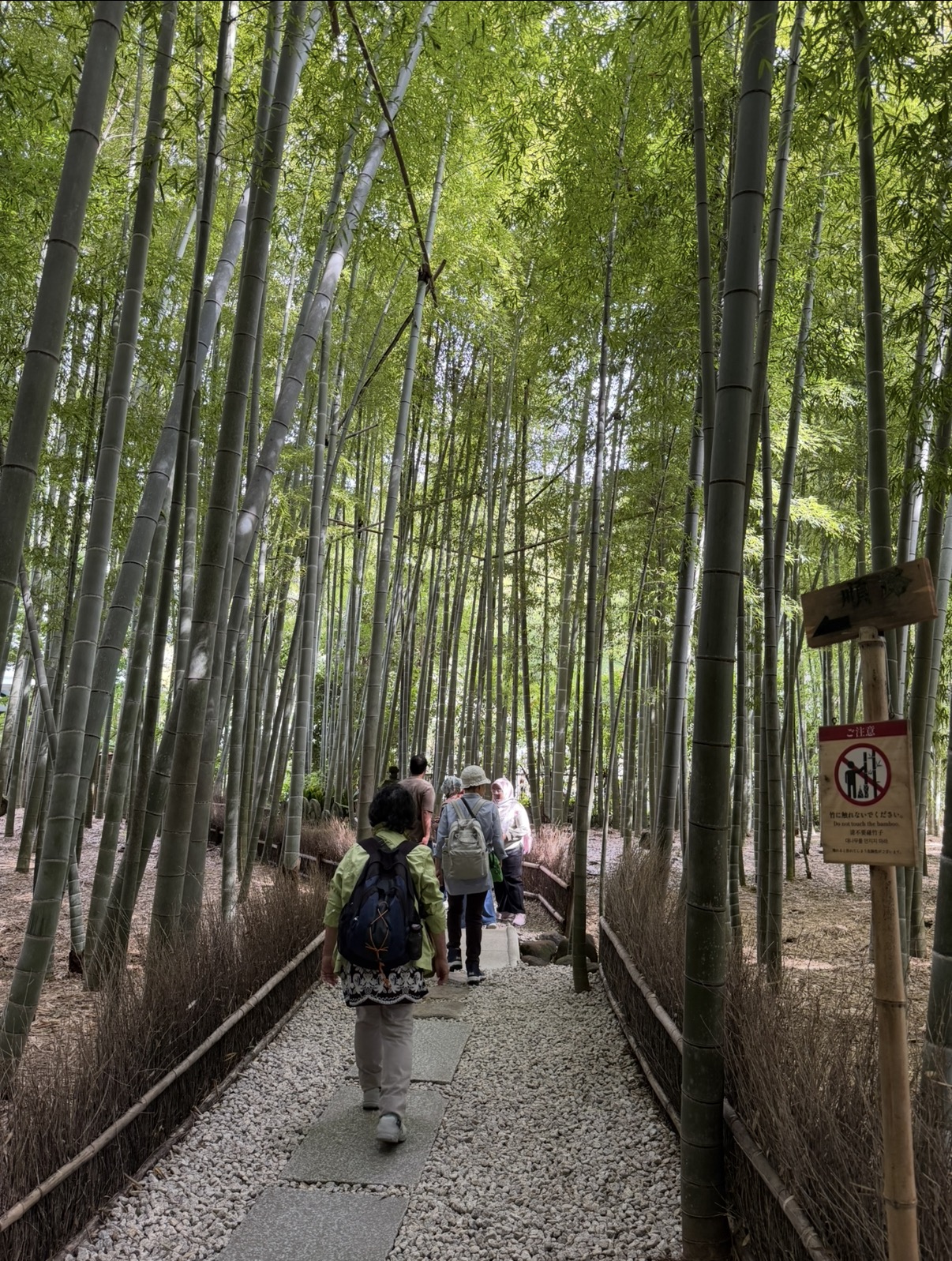
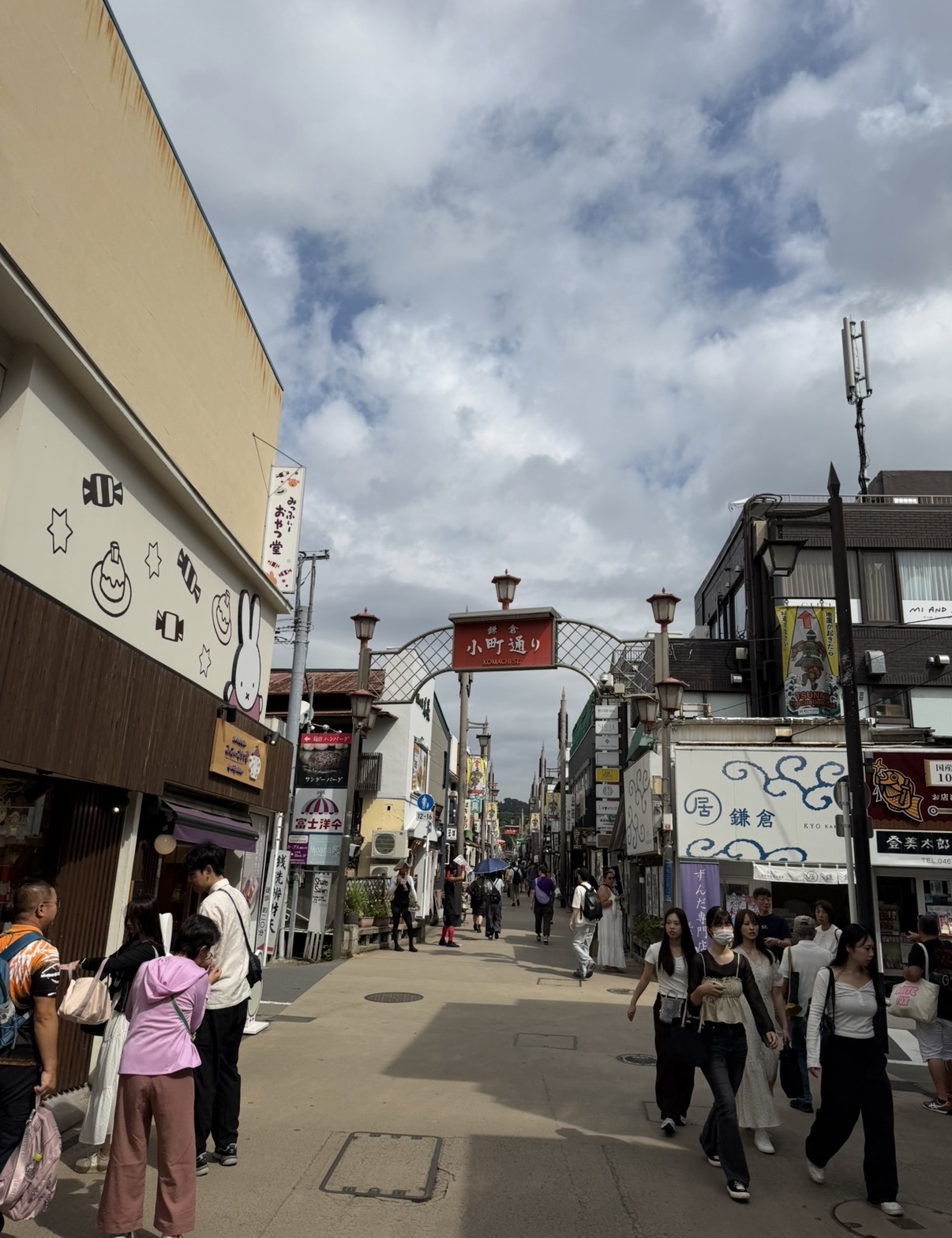
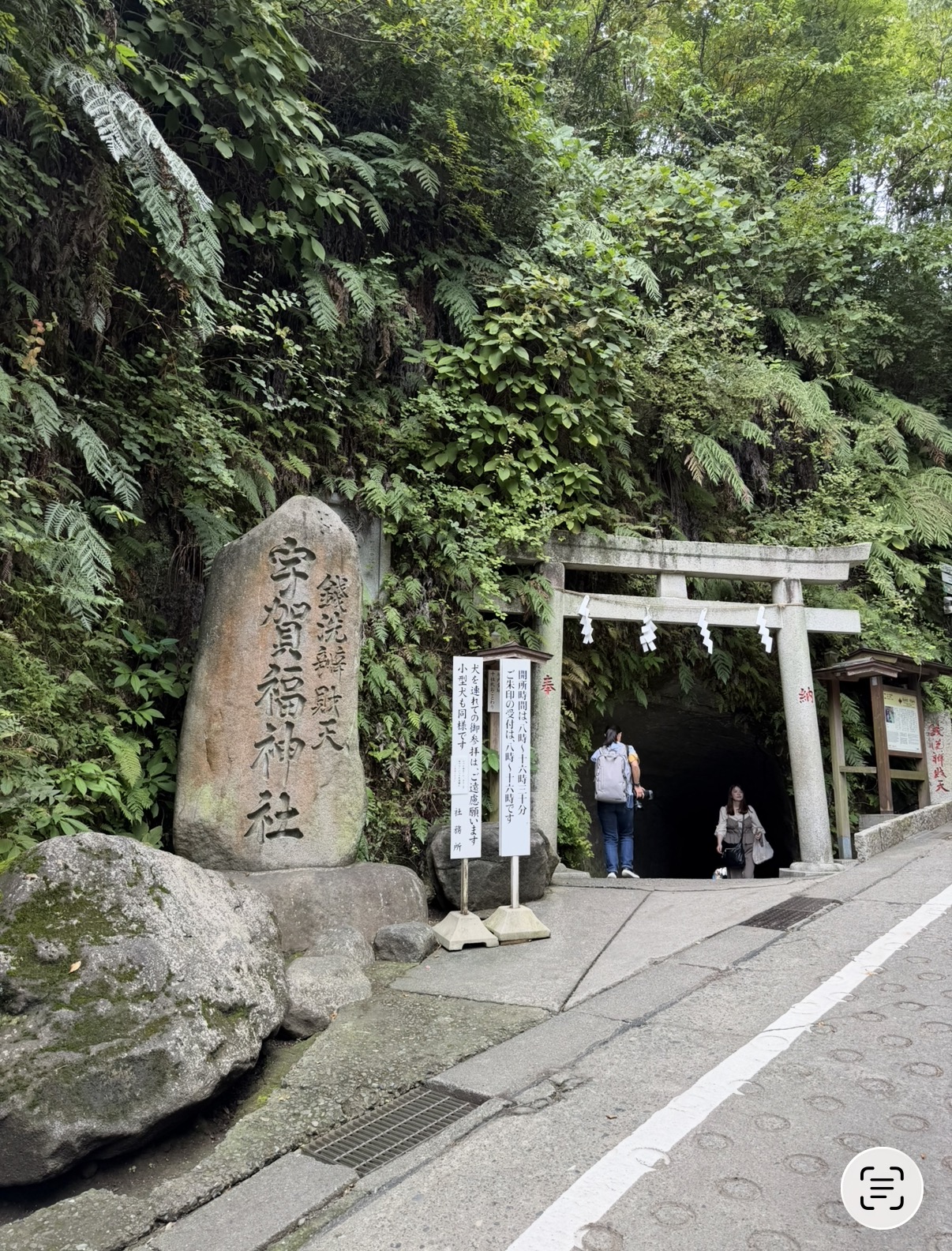
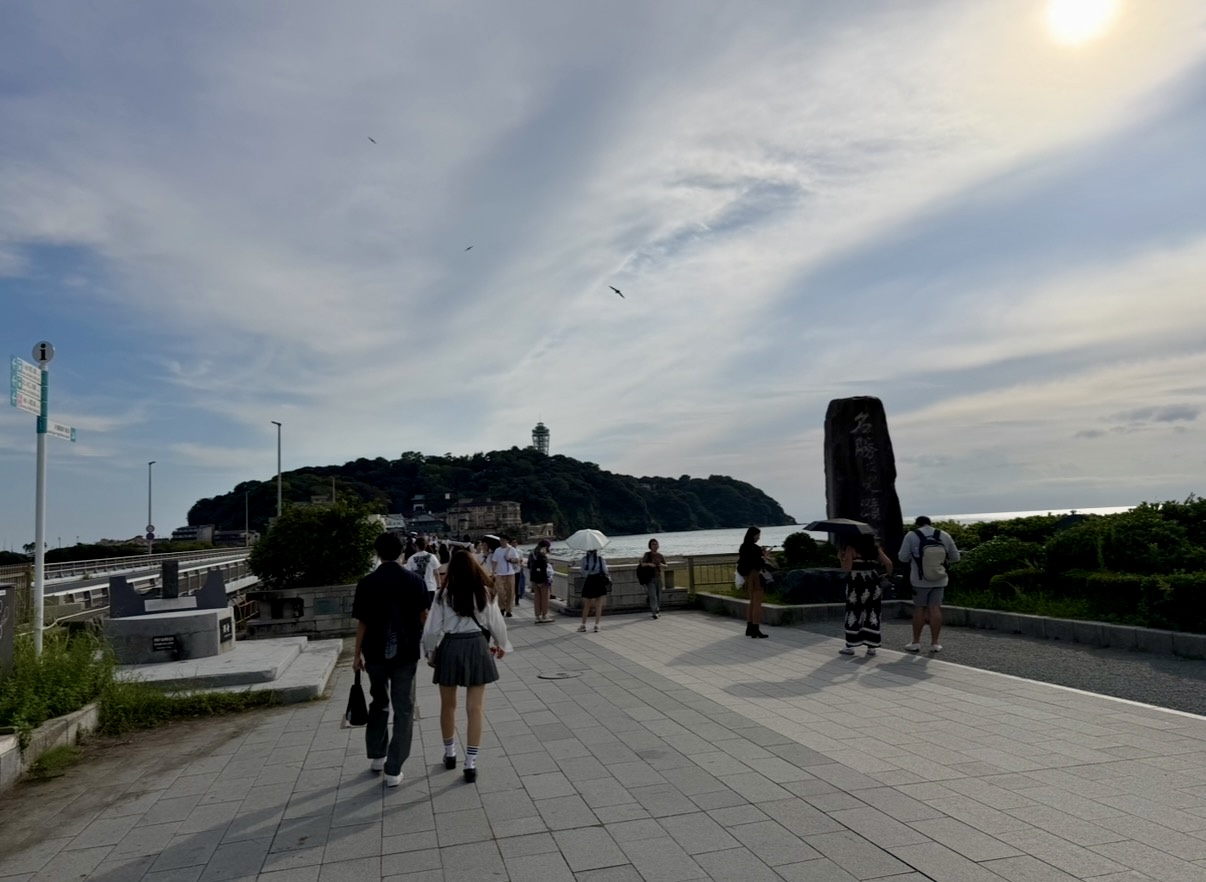
All photographs in this section were taken by Japan Finds.
Leave room for a real food break
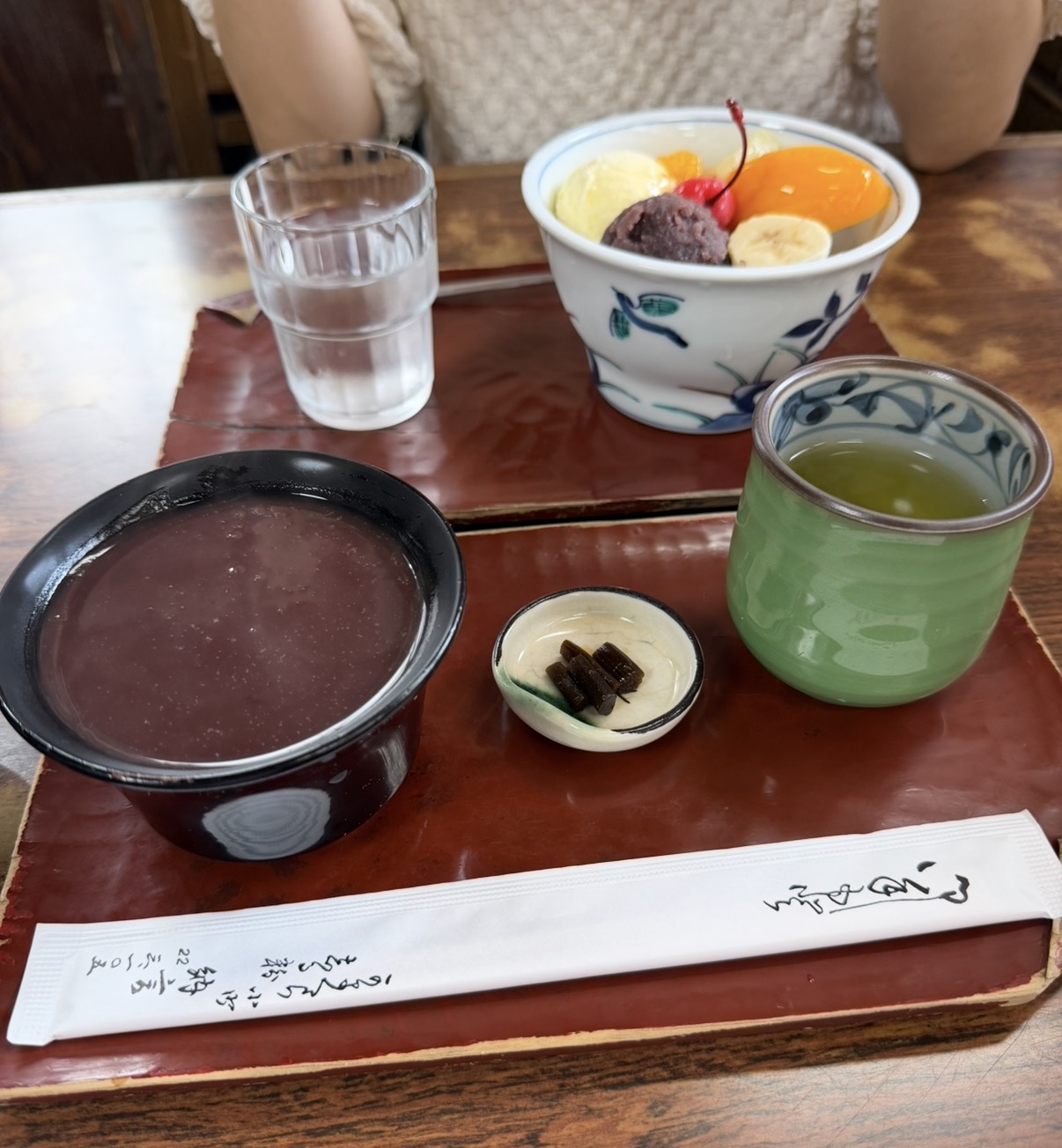
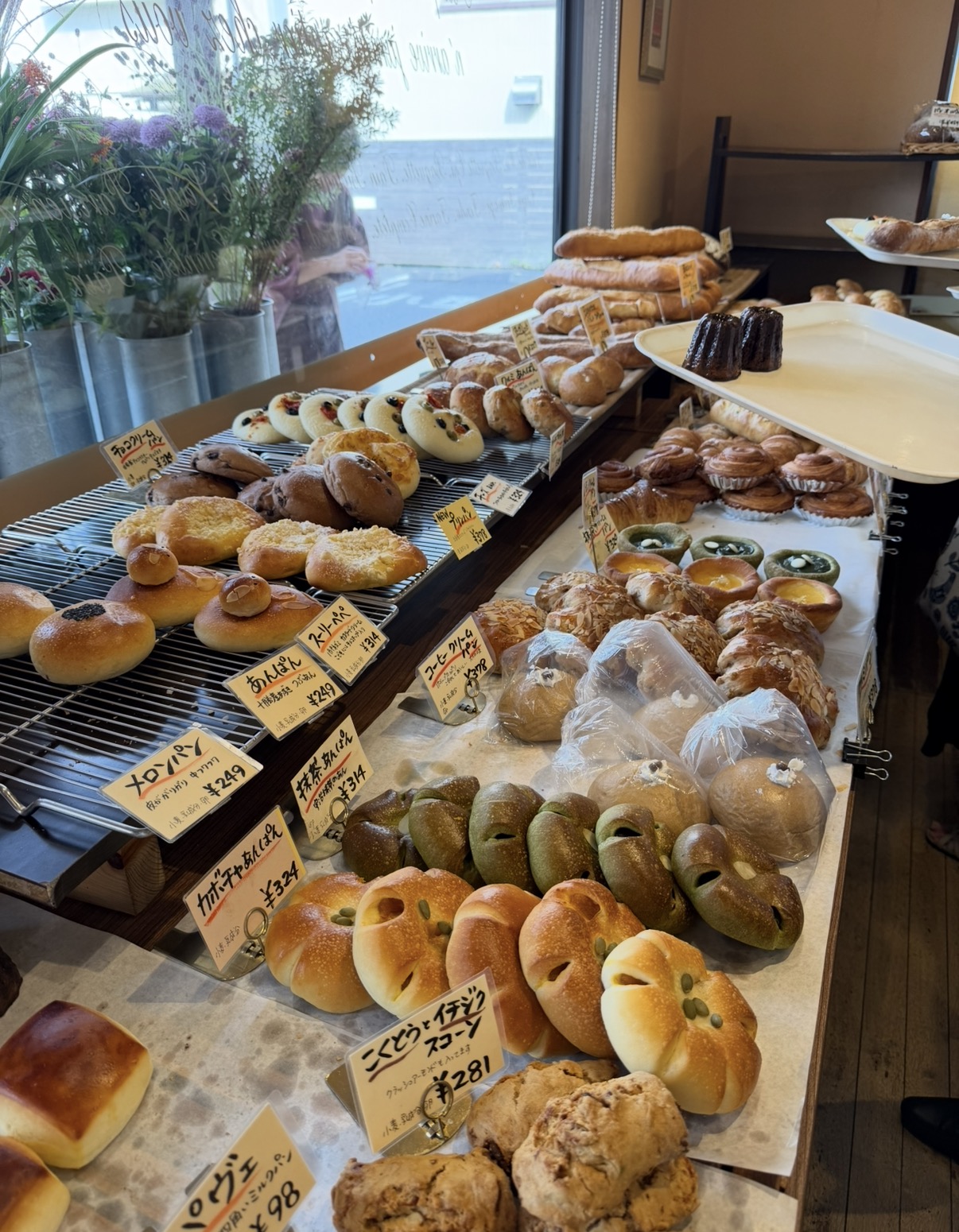
Restaurant queues can consume the time saved by an early train. Keep one preferred lunch and one backup, check the day’s opening information, and avoid eating while blocking Komachi Street. Carry out all packaging.
Tickets and movement
Use trains, buses and walking for different parts of the city
JNTO lists about 55 minutes from Tokyo Station on the JR Yokosuka Line. Check the current route from your actual Tokyo base rather than crossing the city to copy one example.
The local line links Kamakura, Hase, Shichirigahama and Enoshima. IC cards are accepted. The one-day Noriorikun pass is useful only when your actual rides justify it.
The official tourism guide recommends a bus from Kamakura Station’s east exit to Jomyoji, followed by a short walk. Walking from the station takes roughly 35 minutes.
Use station storage or forwarding arrangements. Crowded local trains, temple paths and steep approaches are poor places for a suitcase.
Respect the town as well as the temples
- Follow photography signs. Hokokuji prohibits tripods, monopods and selfie sticks, and Kotoku-in restricts commercial photography and filming.
- Do not stop on railway crossings, step onto tracks or enter private property for a photograph.
- Keep groups compact on Komachi Street and residential lanes; do not block shop entrances or local traffic.
- At shrines and temples, speak quietly, observe purification and prayer customs, and never interrupt worshippers.
- Check rain, heat and trail conditions before using any hiking route. A city itinerary should not assume every trail is open.
Official sources
Information reviewed October 19, 2026. Hours, fees, fares, timetables, trail access and photography rules can change. Confirm the official source for your travel date.
- Japan National Tourism Organization: Kamakura
- JNTO: Culture on the Coast in Kamakura
- Kamakura City Tourist Association: Hokokuji Temple
- Kamakura City Tourist Association: Tsurugaoka Hachimangu
- Kamakura Hasedera: Admission and access
- Kotoku-in: Great Buddha visitor information
- Enoshima Electric Railway: Access and local transport
- Enoshima Electric Railway: Noriorikun one-day pass
Opening hours, prices, reservation rules and transport details can change. Confirm important details with the official operator before your visit.